
Best Underlayment for Laminate Floors in Hot AZ Homes
The best underlayment for laminate floors in Arizona homes is high-density foam or rubber that handles heat expansion.
These materials protect your floor from Arizona’s extreme temperatures.
They also reduce noise and add comfort.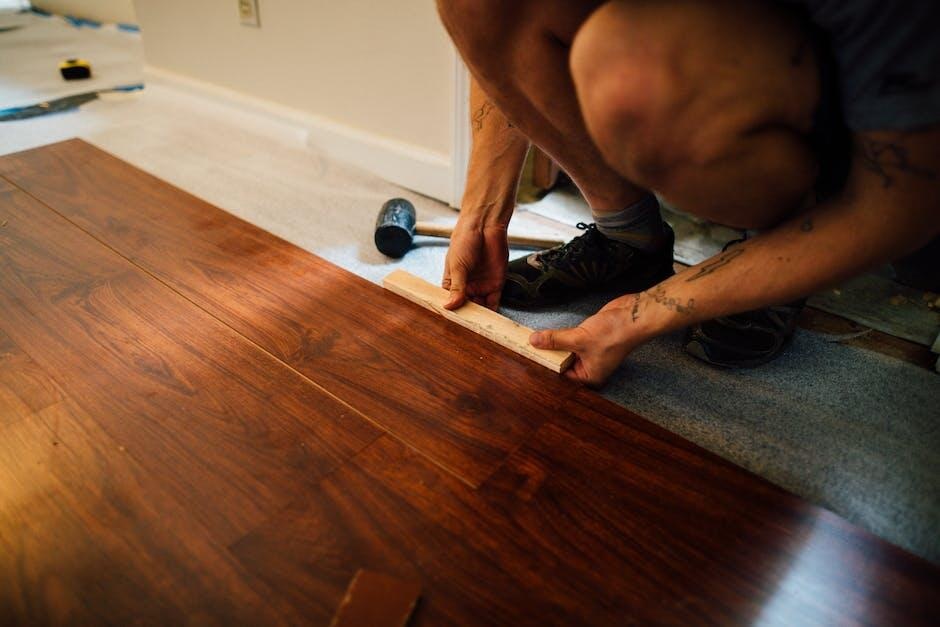
Arizona experienced 122 days in triple-digit heat in 2025, according to KJZZ.
This staggering figure highlights the growing intensity of climate-driven heat extremes.
Smart Arizona homeowners know that underlayment benefits go beyond just comfort.
In our desert climate, your laminate flooring needs protection from heat stress and moisture swings during the monsoon season.
What Are Some Common Mistakes When Laying Laminate Flooring
Mistakes with laminate floor installation can be costly if you don’t work with installation experts.
In Arizona, here are the errors you will experience:
Skipping the Moisture Test
Many homeowners skip the concrete moisture test.
They assume Arizona’s dry climate means no moisture problems.
Unfortunately, concrete slabs absorb moisture from the ground.
Always perform a calcium chloride test on concrete subfloors.
If moisture levels exceed manufacturer specifications, you need a premium moisture barrier under laminate floors.
Using the Wrong Thickness
Thicker on thinner floors cause problems.
Arizona floors need enough cushioning to handle temperature-driven expansion.
Standard 2mm foam underlayment works in mild climates.
Arizona demands 3mm minimum, preferably 5mm for concrete subfloors for extra buffering.
Forgetting Expansion Gaps
Laminate flooring must float.
It needs room to expand when the heat rises.
Arizona’s temperature swings require larger expansion gaps than standard recommendations.
Leave at least 1/2 inch gaps around all walls, doorways, and fixed objects.
In rooms over 30 feet long, increase this to 3/4 inch.
Your laminate flooring will expand more in Phoenix.
Overlapping Seams Incorrectly
Underlayment seams must be taped properly.
If seams overlap or gap, you create weak spots.
These spots allow moisture penetration and reduce sound dampening.
Butt seams together tightly, using manufacturer-recommended tape.
Never overlap underlayment pieces since it creates uneven spots.
Installing Over Uneven Subfloors
Arizona homes often have uneven concrete slabs due to foundation settling creates dips and rises.
You must level these before laminate floor installation.
Use self-leveling compound for dips greater than 1/8 inch over 10 feet.
Why Arizona Heat Destroys Floors Without Good Underlayment
Arizona’s climate is brutal on floors.
Your home experiences temperature swings that most states never see.
The heat attacks your laminate flooring from below.
During summer, concrete subfloors absorb heat all day.
This heat radiates upward into your laminate flooring.
Without quality underlayment for laminate floors, your planks expand too much, buckle, and crack.
The global floor underlayment market is anticipated to reach $2.21 billion by 2035, according to Business Research Insights.
This growth shows more homeowners understand underlayment benefits.
What Type of Underlayment Is Best for Laminate Flooring?
Not all the best underlayment for laminate floors perform equally in desert heat.
Let’s get specific about what works in Arizona.
High-Density Foam Underlayment
High-density foam leads the pack for Arizona flooring solutions.
This material flexes with temperature changes.
It allows your laminate flooring to expand and contract naturally.
Foam underlayment typically runs 2mm to 5mm thick.
Thicker options provide better sound reduction and comfort.
Additionally, foam reflects heat rather than conducting it through to your flooring.
Rubber Underlayment
Rubber underlayment excels in high-traffic Arizona homes.
This material won’t break down under temperature stress.
It also provides superior sound dampening.
If you live in a two-story home, your family will notice the difference.
However, the cost runs higher than foam.
For permanent Arizona flooring solutions, rubber delivers the best performance.
Cork Underlayment
Cork offers natural insulation properties for Arizona homeowners.
It’s eco-friendly.
However, cork performs best in moderate climates.
How to Avoid Hollow Sound With Laminate Floors
Nobody wants floors that sound like drums when you walk.
Hollow sounds signal installation problems.
Here is how to avoid these issues.
Choose the Right Underlayment Density
Hollow sounds usually indicate inadequate underlayment.
High-density foam or rubber underlayment prevents this problem.
These materials maintain their thickness under pressure.
Prepare the Subfloor Properly
Even the best underlayment for laminate floors can’t compensate for poor subfloor prep.
Debris under your underlayment creates hollow spots.
Vacuum your subfloor thoroughly to remove all dirt.
Ensure Proper Locking Mechanism Engagement
Laminate flooring planks must lock together completely.
Partially engaged locks create micro-gaps, allowing movement that generates hollow sounds.
When installing, ensure you hear or feel each plank click into place.
Never force planks since they will damage the locking mechanisms.
If a plank won’t lock easily, check for debris in the groove.
Install Underlayment Continuously
Never cut underlayment short.
It should extend fully across your installation area with minimal seams.
How to Choose Arizona-Specific Flooring Materials
Arizona’s climate demands specific best flooring materials.
Here is what you should consider:
- Heat-resistant laminate cores
- UV-resistant wear layers
- Moisture-resistant options
- Light-colored selections
Light-colored laminate flooring reflects heat. It stays cooler underfoot.
Also, choose textured surfaces that hide imperfections.
Frequently Asked Questions
What’s Better, AC4 or AC5?
AC5 laminate flooring delivers superior durability for Arizona homes.
The rating system measures abrasion resistance.
While AC4 handles heavy residential use, AC5 withstands commercial traffic and extreme conditions.
Arizona’s intense heat and high UV exposure make AC5 the smarter choice.
It costs slightly more upfront but lasts longer in desert conditions.
Can You Put Laminate Flooring Directly on Plywood?
Yes, but you still need the best underlayment for laminate floors.
Plywood provides a stable, flat surface.
However, it doesn’t offer moisture protection or sound dampening.
Underlayment adds extra protection.
In Arizona, moisture barriers remain essential even over plywood.
Always install quality underlayment regardless of subfloor type.
How to Tell If Laminate Flooring Is Good Quality?
Assess durability by confirming strong resistance to fading, scratching, and slipping.
Check for relevant product certifications, such as EN 13893 for slip resistance and EN 14041, which covers anti-static properties and wear.
These standards and specifications indicate a well-engineered, reliable floor.
Work With Experts That Handle the Best Underlayment for Laminate Floors
The best underlayment for laminate floors in Arizona provides adequate cushioning and heat buffering.
You need a qualified flooring installer to ensure your investment lasts longer.
At Bram Flooring, we’ve mastered Arizona flooring solutions since 2011.
We’re fully licensed with the Arizona ROC for residential and commercial laminate floor installation.
Our team uses only the best flooring materials rated for desert heat.
Contact us today for a free consultation.
Let’s build floors that handle whatever Arizona’s climate throws at them.
Trusted Floor Installers in Sun City AZ
Trust Bram Flooring for expert floor installation services in Sun City. Our skilled team delivers high-quality materials, precision craftsmanship, and personalized service to help you achieve beautiful, long-lasting floors for your home.
Contact us today or call (623) 806-8543 for immediate assistance!